
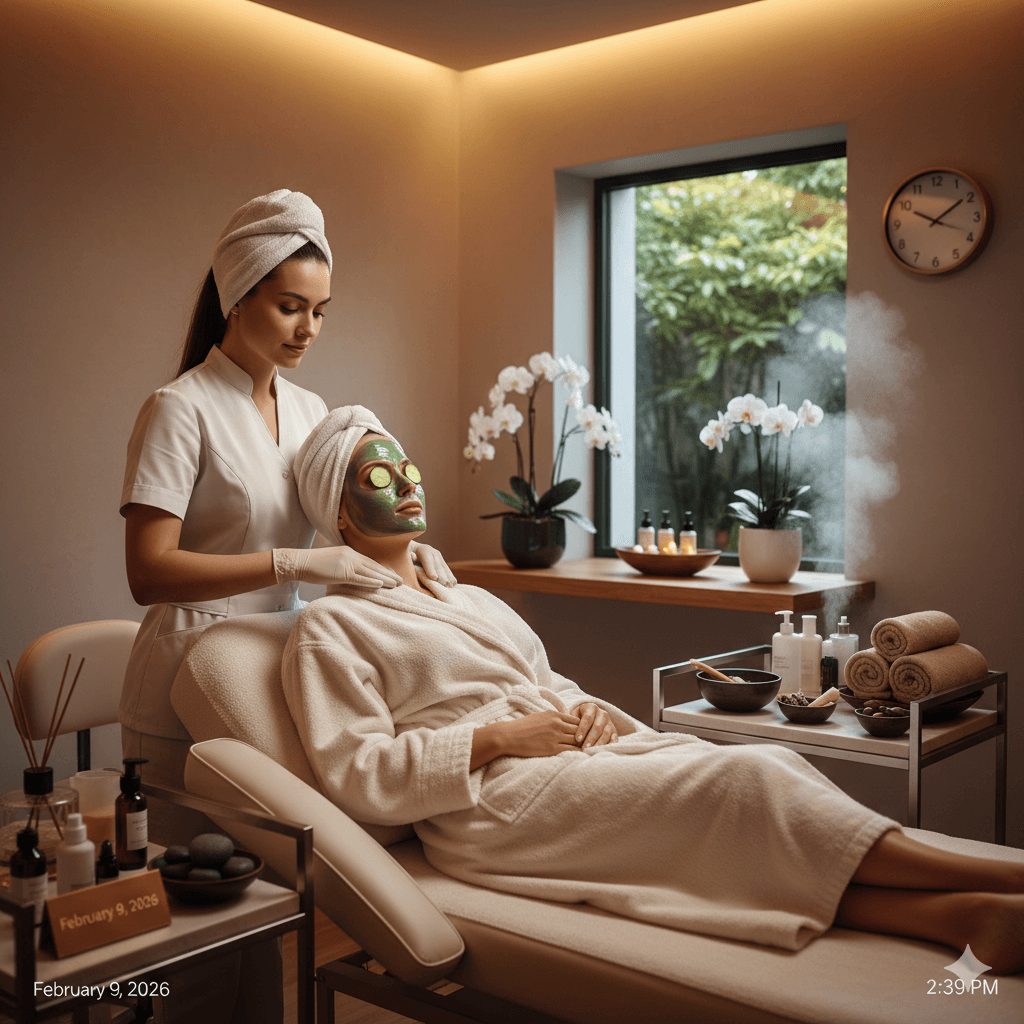
This article offers a clear look at how lymphatic drainage may support recovery in the days right after surgery, without promising miracle results.
Our goal is to share practical, safety-first information in a respectful, reader-centered way.
We’ll explore how gentle care may ease discomfort, support mobility and help you return smoothly to daily activities.
The aim is to help you feel more confident discussing your options with your healthcare team and with qualified wellness professionals.
You’ll find examples, simple steps for home and criteria for choosing a trustworthy place for care.
Important: this guide is general wellness information, not medical advice. Always follow your surgeon’s instructions and get their clearance before starting post-operative lymphatic drainage.
Why a Post-Operative Lymphatic Drainage Protocol Matters
This guide is designed to help people who have had surgery understand how careful lymphatic drainage may support a smoother return to daily life.
It isn’t about quick results; it’s about practical guidelines that respect your body’s pace and your medical team’s direction.
In recovery, the priorities are comfort, less swelling and gradual mobility, always with well-being in mind.
The goal is a routine that’s realistic day to day and doesn’t add stress.
You’ll learn how lymphatic drainage may support lymph flow, encourage local circulation and bring a feeling of relief.
We’ll cover what to watch for, how to adapt the protocol to your needs and which signs mean it’s time to call a professional.
The core idea is gentle, controlled movement that encourages fluid to return to circulation. Safety, comfort, personalization and qualified care are the pillars of this guide.
Understanding the Lymphatic System and What to Expect
The lymphatic system works like the body’s drainage network.
It helps clear waste, balances fluid levels and supports immune function.
Put simply, a gentle approach may help with puffiness, comfort and mobility.
The practices described here do not replace medical guidance.
Together with your healthcare team, you can decide what makes the most sense for your situation.
Practical Benefits Clients Describe
Light, consistent techniques can bring a sense of relief and make simple daily activities feel easier.
Benefits people commonly describe include:
- More comfort after sessions and at home
- Swelling that feels more manageable over the weeks
- Better mobility and tolerance for light activity
- Appreciation for personalized care that respects their recovery time
Everyone heals differently, so keep expectations realistic and let your body set the pace.
Building a Lymphatic Drainage Protocol for Early Recovery
This section explains the core elements of a protocol and how to organize in-person sessions and home routines safely.
The goal is a clear path with practical steps you can adjust to your pace and your provider’s guidance.
Key Components of the Protocol
A protocol rests on three pillars: an initial conversation, gentle drainage technique and monitoring how your body responds.
Together, they create a stable base for daily practice.
- Initial conversation: open communication with your therapist about your procedure, your surgeon’s instructions, the most swollen areas and any sensitivity.
- Drainage technique: gentle strokes with controlled pressure, moving in a specific direction to help fluid return.
- Monitoring and adjusting: watching for comfort, tolerance and any need to ease off.
In-Person Sessions vs. Home Techniques
In-person sessions with a trained therapist allow a closer look at swelling, how you tolerate touch and how you respond to the work.
Home techniques, when properly guided, help you keep up your care between visits.
Either way, the goal is consistency and safety.
Match the frequency to how your recovery is progressing. Early on, that might mean regular sessions combined with simple daily practice at home, always within your comfort zone and your provider’s guidance.
Remember: the goal isn’t to rush healing, but to support your body at its natural pace.
Frequency, Duration and Adjustments
The right frequency depends on the type of surgery, your overall health and how you respond.
In general, a protocol may include:
- In-person sessions of about 45 to 60 minutes, adjusted for comfort.
- Daily home practice of 5 to 15 minutes, as needed.
- Gradual adjustments based on signs of improvement or discomfort.
Balance gentle activity with good sleep and nutrition to support your overall well-being.
A Practical Home Routine for Early Recovery
These steps complement professional sessions and turn care into simple, doable habits.
They focus on safety, mindful breathing and body awareness throughout the day.
Morning: Start the Day Gently
Begin with four slow, deep breaths to prepare your body.
Then move through a gentle routine of slow movements, starting with less sensitive areas.
Use soft, circular movements and avoid any force.
The goal is a feeling of lightness and circulation without strain.
Key points for the morning:
- Do 2 to 3 rounds of light movements focused on helping fluid return to circulation.
- Take short breaks between rounds to keep your breathing steady.
- Keep your skin moisturized with gentle products, following your therapist’s and surgeon’s advice.
Afternoon: Keep the Rhythm
In the afternoon, keep things consistent with shorter sessions.
Avoid positions that put pressure on the surgical area and prioritize comfort.
Helpful afternoon habits:
- Take 1 or 2 breaks for light stretches, staying within your comfort zone.
- Stay hydrated and eat balanced meals.
- Keep the intensity of any movement low to avoid discomfort.
Evening: Relaxation and Ongoing Recovery
In the evening, focus on relaxation, quality sleep and recovery.
Gentle movements can help you wind down and release tension from the day.
- A soft breathing routine before bed
- Mini-sessions of 5 to 10 minutes to keep lymph moving
- A calm, quiet environment for restful sleep
Adjusting for Different Types of Surgery
Every surgery is different, and the drainage protocol should be adjusted safely with your care team.
These are general considerations, not a substitute for clinical guidance.
Cosmetic Surgery and Body Procedures
Here, the priority is easing local swelling without causing discomfort.
Light techniques, with professional guidance and your surgeon’s approval, may help the body feel lighter and more comfortable.
Orthopedic Surgery and Mobility
For procedures involving soft tissue and joints, gradual progression is essential.
The protocol may involve longer gaps between sessions and extra attention to individual tolerance, following your surgeon’s and physical therapist’s plan.
The goal is to maintain function without overloading the treated area.
How to Choose a Therapist and a Safe Setting
Choosing the right therapist makes a big difference in the quality of your care.
Here are practical criteria focused on safety, respect for your body and wellness experience.
Training and Experience
Look for therapists with solid training in gentle lymphatic drainage and experience working with people in recovery.
A good therapist should show:
- The ability to adapt the protocol to your needs
- A careful approach with close attention to signs of discomfort
- Well-established hygiene and safety practices
Ask about their experience with post-surgical clients, and look for a setting that values rest, quiet and calm.
The Space and Hygiene
A good treatment space should offer:
- Soft lighting, a quiet atmosphere and a comfortable temperature
- Single-use or properly sanitized materials
- Private treatment rooms that respect your comfort
These details build trust, which makes it easier to stay consistent with your care.
Lymphatic Drainage at Best & Beyond Spa
At Best & Beyond Spa in Woburn, our lymphatic drainage massage uses light, rhythmic techniques in a serene, private setting.
If you’ve had surgery, bring your surgeon’s guidance to your first visit so your therapist can tailor the session to your stage of recovery.
Next Steps
To sum up, gentle lymphatic drainage may support early recovery when it’s guided by your medical team and done with care.
By paying attention to sensitive areas, combining professional sessions with simple home routines and choosing a trustworthy setting, you create a path of care that respects your body’s timeline.
Frequently Asked Questions
How soon after surgery can I get lymphatic drainage?
It depends on the procedure and on your surgeon. Some patients start within days and others wait longer, so get your surgeon’s clearance before booking.
How many lymphatic drainage sessions do I need after surgery?
There’s no single number. Many people have several sessions in the first weeks and then space them out, but your surgeon and therapist should set the plan for your procedure.
Does lymphatic drainage hurt?
It shouldn’t. The technique uses very light, rhythmic pressure, and most people find it relaxing. Tell your therapist right away if anything feels painful.
When should I stop and call my doctor?
Stop and contact your doctor if you develop a fever, swelling that gets worse, increasing pain, warm redness around the area or any other sign of infection.
When you have your surgeon’s go-ahead, book a lymphatic drainage massage in Woburn at Best & Beyond Spa and recover in a calm, caring space.


