
How can relaxation massages improve mental health? A relaxation massage may help you feel calmer and less stressed, and many people find it a helpful part of caring for their mental well-being.
How can relaxation massages improve mental health? If you’ve been feeling overwhelmed or stressed, you’re not alone. Many adults in Woburn and North Shore, MA, are seeking ways to enhance their well-being. In this post, we’ll explore how relaxation massage can support your mental well-being.
You’ll learn how massage may help you unwind, rest better and feel more balanced, plus simple ways to bring more relaxation into your week.
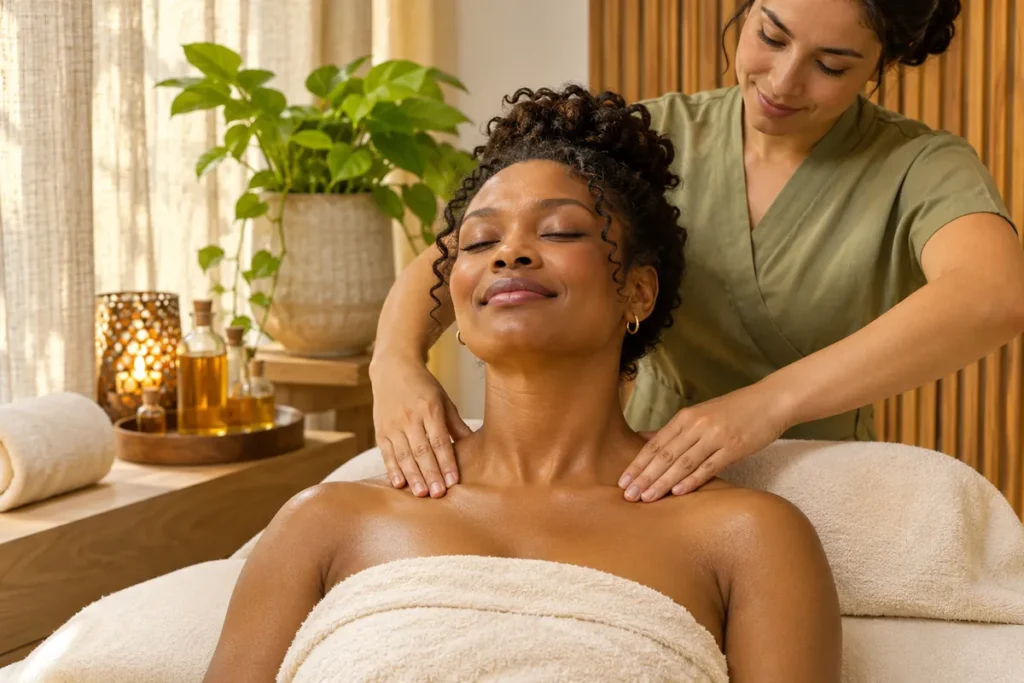
Do you ever feel overwhelmed by the stresses of daily life? In our fast-paced world, mental health often takes a backseat, leading to anxiety, fatigue, and overall dissatisfaction. But what if there was a simple yet profound way to enhance your mental well-being? A relaxation massage can be a wonderful place to start. In this article, we will explore how relaxation massages can improve mental health, providing you with the insights needed to embrace a more serene lifestyle.
Understanding the Connection Between Relaxation and Mental Well-Being
The relationship between physical relaxation techniques and mental health is both fascinating and crucial. When stress takes hold, it can manifest in various ways—irritability, fatigue, and even physical ailments. When you’re under pressure, your body stays tense and on alert, which can make it harder to think clearly and feel settled. Relaxation techniques, including massages, work to counteract these effects by promoting a state of calm and reducing tension. By allowing your body to unwind, you can create a more conducive environment for mental clarity and emotional resilience.
The Positive Impact of Relaxation Techniques on Mental Health
Incorporating relaxation methods into your routine can yield numerous benefits for your mental health:
- A better mood: many people leave a massage feeling lighter, calmer and more like themselves.
- A calmer mind: slow, soothing touch from a skilled therapist may help quiet racing thoughts and ease the feeling of being on edge.
- Improved Resilience: By regularly engaging in relaxation practices, you can build mental resilience, better equipping yourself to handle life’s challenges.
Massage isn’t a replacement for mental health care, but it can be a kind, restful part of your routine.
Choosing the Right Relaxation Method: Key Factors to Consider
When it comes to selecting effective relaxation methods, consider the following factors:
- Personal Preferences: Think about what types of relaxation techniques resonate with you. Do you prefer gentle touch or deeper pressure?
- Types of Techniques Available: Explore various methods, such as Swedish, deep tissue, or aromatherapy massages, to find what soothes you the most.
- Qualified Practitioners: In Woburn and North Shore, MA, finding experienced therapists is essential. Look for spas that prioritize personalized service and have a reputation for quality. A relaxing massage in Woburn is a gentle place to start if you’re new to massage.
By considering these factors, you can ensure a beneficial experience tailored to your needs.
Step-by-Step Guide to Practicing Relaxation Techniques
Here’s a practical guide to help you integrate relaxation techniques into your life:
- Breathing Exercises: Sit comfortably, close your eyes, and take deep breaths. Inhale through your nose for a count of four, hold for four, and exhale through your mouth for four. Repeat this cycle for five minutes.
- Gentle Stretching: Incorporate gentle stretches before or after your massage. Focus on areas where you hold tension, such as the neck and shoulders.
- Visualization Methods: Imagine a peaceful scene—perhaps a beach or a forest. Spend a few moments visualizing yourself in that space, engaging all of your senses.
With practice, these simple habits can help you feel more relaxed day to day.
Advanced Techniques and Best Practices for Maximizing Relaxation
For those seeking to deepen their relaxation practices, consider these advanced techniques:
- Mindfulness: Incorporate mindfulness into your massages by focusing on the sensations and feelings that arise during the session, allowing you to fully experience the moment.
- Complementary Practices: Pair relaxation massages with other holistic treatments, such as scalp massage therapy or natural scalp treatments, to enhance overall well-being.
These practices can amplify the benefits of relaxation massages, making your self-care feel more complete.
Common Pitfalls in Relaxation Practices and How to Avoid Them
Even with the best intentions, people often make mistakes when practicing relaxation techniques. Here are some common pitfalls and how to avoid them:
- Inconsistent Practice: Make relaxation a regular part of your routine instead of an occasional treat. Consistency is key for long-term benefits.
- Ignoring Personal Needs: Pay attention to what your body and mind need. If a certain technique doesn’t resonate, don’t hesitate to explore other options.
- Overthinking: Allow yourself to let go of expectations during relaxation. The goal is to unwind, not to achieve perfection.
By being aware of these pitfalls, you can enhance your relaxation practices and enjoy their full benefits.
Conclusion
A relaxation massage is a simple, kind way to give your mind a break. Combined with good sleep, movement and support from people you trust, it can be a helpful part of caring for your mental well-being. If you’re struggling with anxiety or depression, please reach out to a doctor or mental health professional as well.
Frequently Asked Questions
Can a massage help with stress?
Many people find that a relaxing massage helps them unwind and feel less tense. It works best as part of a routine that also includes rest, movement and time for yourself.
Which type of massage is best for relaxation?
A relaxing (Swedish-style) massage with long, flowing strokes and light to medium pressure is a good choice for most people. If you carry a lot of muscle tightness, ask your therapist about adding a little more pressure where you need it.
How often should I get a relaxation massage?
Some people book every two to four weeks, while others save it for especially stressful seasons. Choose a rhythm that fits your schedule and budget.
Ready for a calm reset? Book a relaxing massage in Woburn at Best & Beyond Spa, 23 Warren Ave, Suite 120.


