
How do relaxation techniques contribute to overall wellness? They help you manage stress, feel clearer and more settled, and ease the physical tension that daily life builds up.
How do relaxation techniques contribute to overall wellness? In today’s fast-paced world, finding ways to relax is essential for maintaining our health and well-being.
In this post, we will explore various relaxation methods, such as deep breathing, meditation, and gentle yoga, and how they can help you feel calmer in body and mind.
Join us as we uncover the secrets to incorporating relaxation into your daily routine and discover how these techniques can lead to a more balanced and fulfilling life.
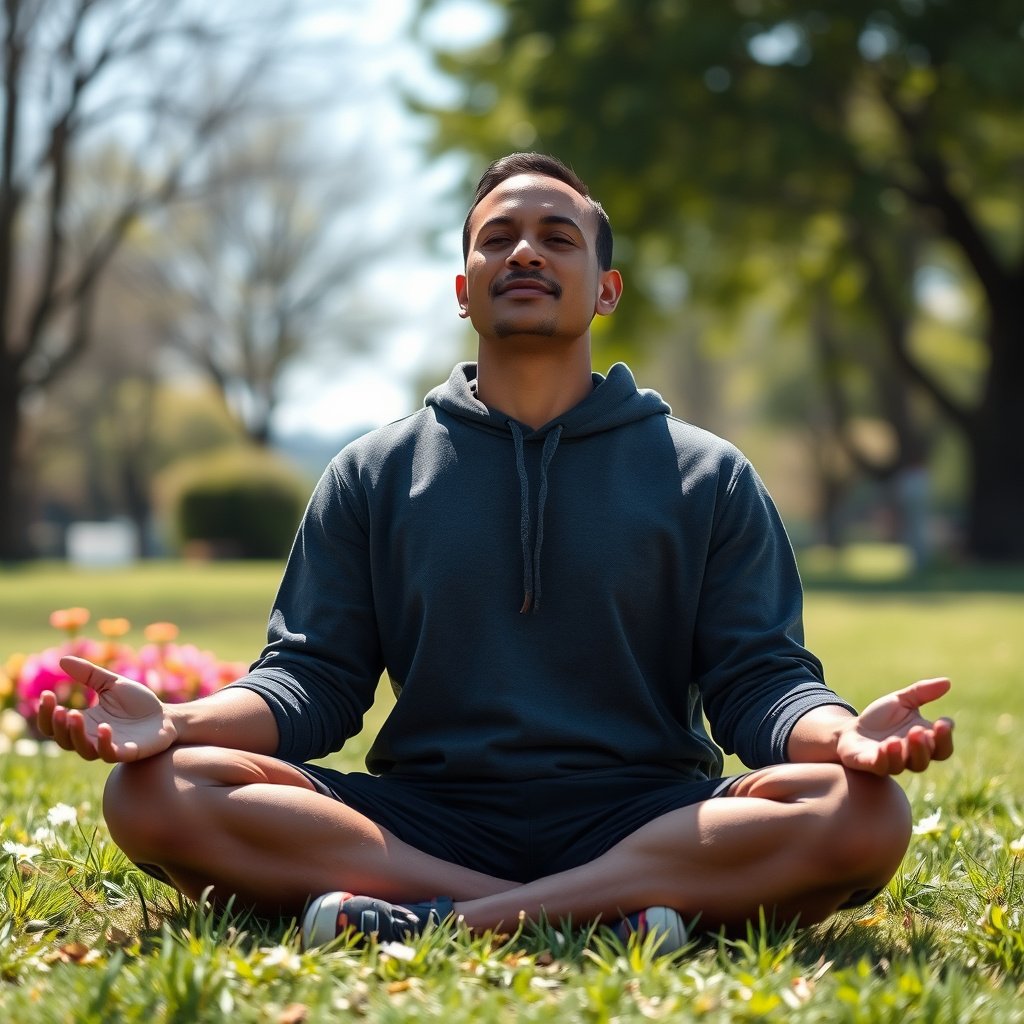
In a world that often feels overwhelming, the quest for tranquility has never been more essential. Many adults are seeking ways to enhance their overall wellness, especially those interested in hair care and natural treatments. Have you ever wondered, how do relaxation techniques contribute to overall wellness? This article will unravel the profound impact these techniques can have on both mental and physical health, guiding you to a more balanced and fulfilling life.
Understanding the Basics of Relaxation Techniques
To appreciate the benefits of relaxation techniques, it’s vital to understand what they are. Relaxation techniques encompass a variety of practices aimed at reducing stress and promoting a sense of calm. Common methods include:
- Meditation: A practice of focusing the mind to achieve a mentally clear and emotionally calm state.
- Deep Breathing: Involves taking deep, slow breaths to promote relaxation.
- Visualization: This technique involves imagining peaceful scenes to evoke a state of relaxation.
These methods help your body shift out of “rush mode” and into a calmer state. For instance, slow breathing naturally slows you down and helps your muscles let go. Understanding these foundational concepts sets the stage for exploring their impact on your health.
The Impact of Relaxation on Mental and Physical Health
The myriad benefits of relaxation techniques extend far beyond temporary relief. Regular practice can:
- Enhance Mental Clarity: By reducing mental clutter, relaxation can boost focus and cognitive function.
- Ease Stress: Deep breathing and meditation give you a simple way to calm down when the day feels like too much.
- Release Physical Tension: Many people notice looser shoulders and find it easier to wind down at night.
Incorporating relaxation into your daily routine is crucial for holistic wellness. For adults interested in hair care and natural treatments, relaxation is a lovely companion to scalp and hair care rituals.
Touch is one of the easiest ways to relax, which is why many people add a regular relaxing massage in Woburn to their at-home practices: someone else guides your body into rest while you simply breathe.
Choosing the Right Relaxation Technique for Your Needs
With so many options available, how do you choose the right relaxation technique for your lifestyle? Consider the following factors:
- Personal Preferences: Some may prefer the structured approach of meditation, while others might enjoy the fluidity of yoga.
- Time Commitment: Identify how much time you can dedicate to relaxation practices. Even a few minutes a day can help.
- Accessibility: Whether at home, at work or at a spa, choose methods that fit seamlessly into your life.
- Wellness Goals: Tailor your choice based on what you aim to achieve—be it stress relief, improved focus, or better sleep.
With these considerations, you can make informed decisions that align with your wellness journey.
Step-by-Step Guide to Practicing Relaxation Techniques
Ready to implement relaxation techniques into your daily life? Here’s a practical guide:
- Find a Quiet Space: Choose a comfortable environment free from distractions.
- Choose Your Technique: Decide on a method, such as guided imagery or progressive muscle relaxation.
- Set a Timer: Start with 5-10 minutes and gradually increase as you become more comfortable.
- Engage Your Senses: For visualization, imagine a serene setting. For deep breathing, focus on the sensation of air flowing in and out.
- Reflect: After your session, take a moment to notice how you feel and the changes in your body.
By following these steps, you can seamlessly integrate relaxation into your routine, enhancing your overall wellness.
Advanced Strategies for Maximizing Relaxation Benefits
To further enhance your relaxation practices, consider these advanced strategies:
- Combine Techniques: Pair relaxation with aromatherapy or gentle yoga to create a holistic experience.
- Create an Optimal Environment: Dim the lights, play soothing music, and use calming scents to elevate your relaxation sessions.
- Join a Class: Participating in group sessions for yoga or meditation can provide support and deepen your practice.
These strategies can amplify the benefits of relaxation, making your journey toward wellness even more rewarding.
Common Pitfalls in Relaxation Practices and How to Avoid Them
Even the best intentions can lead to pitfalls. Here are common mistakes and how to overcome them:
- Inconsistency: Establish a routine to keep yourself accountable. Set specific times for relaxation.
- Distractions: Create a dedicated space for relaxation, free from interruptions.
- Expecting Immediate Results: Understand that relaxation is a skill that takes time to develop. Be patient with yourself.
By recognizing and addressing these challenges, you can maintain a commitment to your relaxation practices, ensuring a smoother journey toward wellness.
Conclusion
In conclusion, relaxation techniques are simple, valuable tools for overall wellness. By clearing your head, easing stress and releasing tension, they help you feel more balanced. As you explore different relaxation methods, remember to choose what resonates with you and integrate them into your daily routine. Take the first step today—embrace relaxation as a vital part of your wellness journey. Your mind and body will thank you!
Frequently Asked Questions
Which relaxation technique is easiest for beginners?
Slow breathing is the easiest place to start. Breathe in through your nose for a count of four, out for a count of six, and repeat for a few minutes.
How often should I practice relaxation techniques?
A few minutes every day works better than one long session a week. Pick a regular moment, like before bed or after work, so it becomes a habit.
Can a massage count as a relaxation technique?
Yes. A relaxing massage gives you dedicated time to slow down while someone else eases your muscle tension, and it pairs well with breathing or meditation at home.
Want to make relaxation part of your routine? Book a relaxing massage in Woburn at Best & Beyond Spa and give yourself an hour to fully unwind.


